
More Hours Don’t Mean Better Photos: The Myth of Unlimited Coverage


In the wedding and lifestyle photography world, a numbers game is playing out.
Studios splash phrases across their pricing pages like "Full Day Marathon Coverage!" or "14 Hours of Unlimited Shooting!" to win clients over with sheer volume.
On paper, it sounds like an unbeatable deal. If eight hours of coverage is good, fourteen hours must be incredible.
Is that true?
Not quite.
In reality, the push for marathon coverage is one of the most misleading trends in modern photography. It treats a deeply intuitive, high energy creative service like an hourly shift at an office desk.
At Thorn Valley Studios, we take a different stance: You do not need more hours. You need peak artistic energy when the moments actually matter.
Here is why unlimited coverage usually leads to compromised images, and why intentional, capped energy will always produce a superior album.
1. Creative Fatigue Is Real (and It Shows in Your Photos)

Photography is not passive observation. It is a constant, split second cycle of reading ambient light, predicting human movement, adjusting exposure, framing compositions, and anticipating emotional beats before they happen. Doing that continuously requires intense mental hyper-focus.
Physical fatigue is only half the battle; creative burnout is the real culprit.
Around hour nine or ten of a marathon shoot, something subtle but damaging happens:
Reaction times slow down. The fleeting micro expressions, such as a quiet look between partners during speeches or a parent tear, are missed by a fraction of a second.
Compositions get lazy. Instead of hunting for unique angles or managing complex background elements, a tired photographer defaults to eye level, centre framed safe shots.
Light management drops. On a long day, light changes dramatically from harsh midday sun to indoor tungsten to pitch black reception spaces. Adapting to those shifts with precision takes energy that an exhausted photographer simply does not have.
When a studio promises 14 hours, they are asking you to pay for a photographer operating at half capacity for the final, and often most celebratory, third of your day.
2. Pacing Causes Padded Galleries

When a photographer knows they have to survive a 14 hour marathon, they naturally start pacing themselves.
To conserve energy for the late night dancing, they hold back during the morning preparations. Worse still, they spend hours taking filler shots: fifty variations of a shoe on a table, endless photos of empty reception tables, or dozens of near identical frames of guests standing around waiting for events to start.
This leads to overloaded galleries filled with fluff. You end up with 1,200 photos to sift through, but only a fraction of them possess genuine emotional weight or artistic rigour.
A tight, focused gallery of 400 to 500 incredible, intentional images will outshine a bloated dump of 1,200 mediocre files every single time.
3. Guests Get Camera Fatigue Too
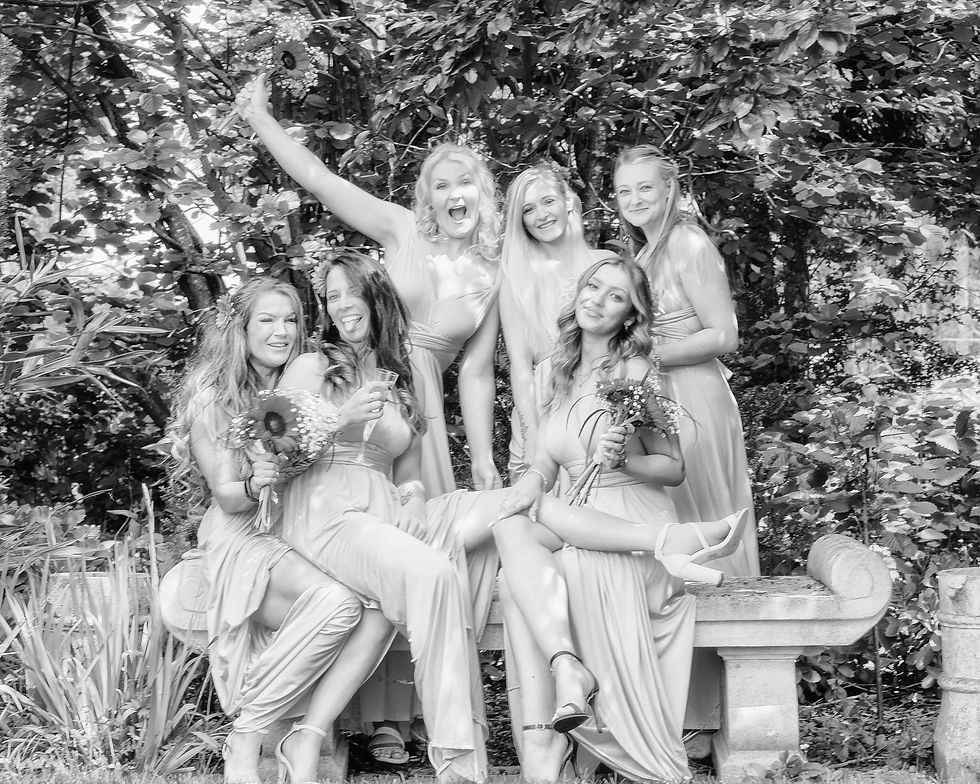
There is an invisible dynamic on any event day: the observer effect.
When guests realise a photographer has been hovering in the room for ten continuous hours, they change their behaviour. They stop acting naturally. They dodge the lens, posture for shots, or become hyper aware of where the camera is pointing.
By contrast, when photography is tight and intentional, the photographer blends in naturally. Guests drop their guard. The candid moments stay genuinely candid because the room has not spent half a day bracing for a camera.
4. The Dartmoor Principle: Precision Over Endurance

Our approach is heavily shaped by our work capturing the wild, unpredictable landscapes of Dartmoor.
When you are working in rugged terrain under shifting weather, you do not stand in a field for 12 hours straight hoping a good photo happens to walk past your lens.
You track the weather, understand where the light is moving, position yourself with purpose, and execute with total focus when the atmospheric window opens.
We bring that exact same discipline to human subjects:
The Marathon Approach | The Thorn Valley Approach |
Strategy: Stand by and hope content happens over 14 hours. | Strategy: Map the key moments and deploy peak focus when energy is highest. |
Gallery Result: High quantity, inconsistent quality, heavy fluff. | Gallery Result: High narrative impact, sharp focus, zero filler. |
Photographer State: Exhausted, reactive, playing safe. | Photographer State: Fully present, proactive, creative. |
Guest Vibe: Self conscious, hyper aware of the camera. | Guest Vibe: Unforced, relaxed, completely authentic. |
5. How to Right Size Your Coverage

If you do not need 14 hours, how much coverage do you actually need? For most weddings and major events, 8 to 10 hours is the sweet spot.
Here is how to structure it efficiently without missing a thing:
Start 90 minutes before the ceremony: You do not need three hours of hair and makeup photos. Capture the final touches, the suit adjustments, and the quiet anticipation right before leaving.
Prioritise the post ceremony window: This is where the magic lives, including spontaneous hugs, family group portraits, and 20 to 30 minutes of effortless, unscripted couple portraits while the high of the ceremony is fresh.
End 30 to 45 minutes after the first dance: Once the formalities are over, speeches are done, and the dance floor opens, you only need about 30 to 45 minutes of dancing coverage to capture the energy of the party. After that, the photos simply become repetitive.
The Takeaway

Your event memories should not be recorded by someone fighting off exhaustion to honour an arbitrary hourly quota. They should be captured by an artist who is fully engaged, sharp, and operating at the peak of their craft.
We do not offer "reduced rate marathon coverage" because we care too much about the quality of the final images. Quality will always beat sheer volume.
In Summary
Marathon 14-hour photography packages are a marketing trap that leads to creative burnout, padded galleries full of filler, and camera-weary guests.
High-quality event photography is not about clocking hours; it is about bringing peak artistic energy and razor-sharp focus to the moments that truly matter.
By adopting an intentional, 8 to 10-hour approach, you get an authentic, beautifully curated album without paying for an exhausted photographer.
Ready to see how intentional coverage brings out the best in your story? Explore our approach at Thorn Valley Studios to find out how we plan for impact over hours.


Comments